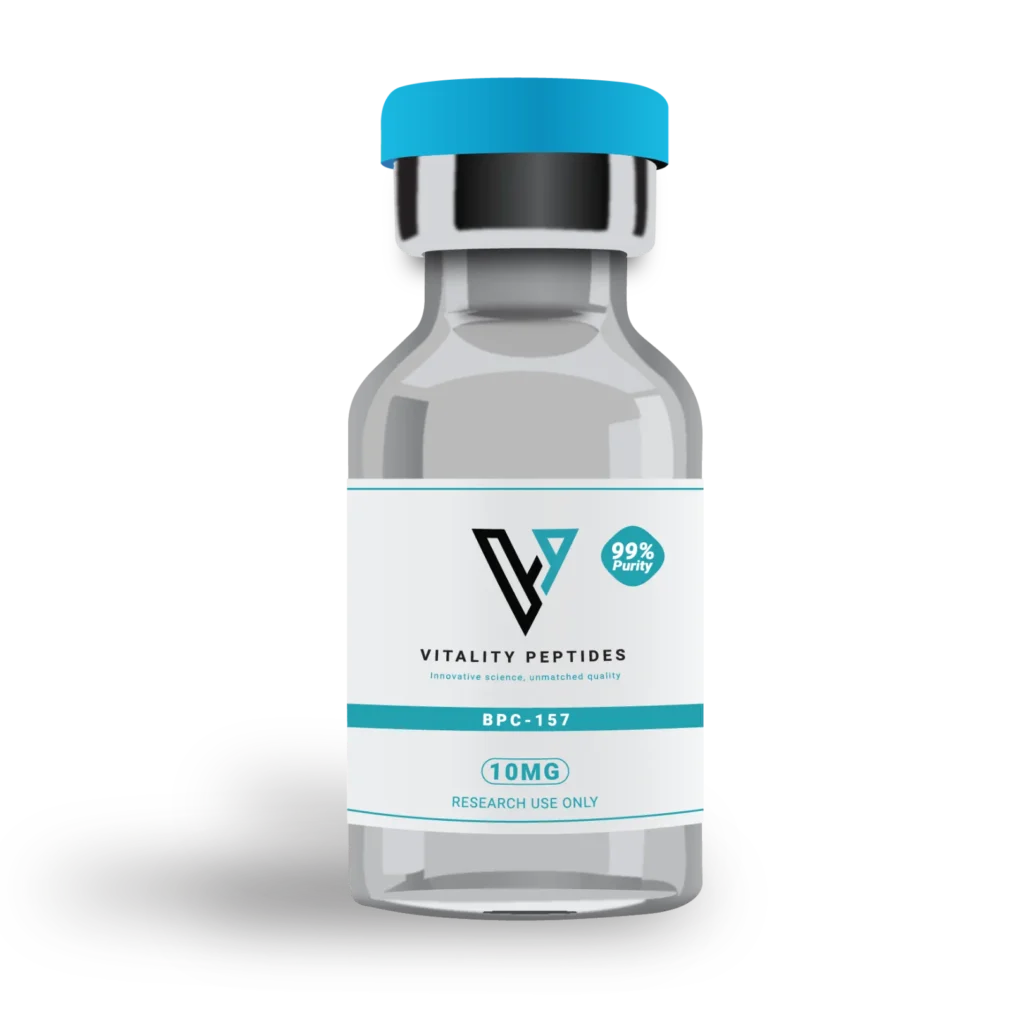
BPC-157
BPC-157 is a stable gastric pentadecapeptide (sequence: Gly-Glu-Pro-Pro-Pro-Gly-Lys-Pro-Ala-Asp-Asp-Ala-Gly-Leu-Val). It was isolated from human gastric juice during studies on ulcer healing by Croatian pharmacologist Predrag Sikirić and team at the University of Zagreb. Unlike full-length body protection compounds, BPC-157 is a fragment (aa 15-39) engineered for stability.
Key Properties:
- Oral Bioavailability: Survives stomach acid—rare for peptides.
- Molecular Weight: ~1,419 Da.
- Half-Life: 4–6 hours; effects persist days/weeks.
Unlike growth factors (e.g., IGF-1), BPC-157 doesn’t rely on systemic hormones. It’s “pleiotropic,” influencing multiple pathways without toxicity in animal models (LD1 >10g/kg).
How BPC-157 Works: Molecular Mechanisms
BPC-157’s magic lies in its multifaceted actions:
- Angiogenesis Promotion: Upregulates VEGF and FGF, forming new vessels for nutrient delivery to injured sites.
- Collagen and ECM Remodeling: Accelerates fibroblast proliferation and type I/III collagen synthesis.
- Nitric Oxide (NO) Modulation: Balances eNOS/iNOS for vasodilation without hypotension.
- Neurotransmitter Regulation: Stabilizes dopamine, serotonin, GABA—protects against neurotoxins.
- Anti-Inflammatory Cascade: Downregulates TNF-α, IL-6, upregulates IL-10.
- Gut Integrity: Enhances tight junctions, heals mucosa via VEGFR2.
Receptor Independence: Doesn’t bind classic GPCRs; likely intracellular or direct protein interactions. Stable in harsh environments (acid, heat).
Proven Benefits: Evidence from Research
1. Musculoskeletal Healing
- Tendons/Ligaments: Rat Achilles transection healed 2x faster (J Orthop Res, 2010). Human anecdotes mirror for rotator cuff, ACL.
- Muscles: Full recovery from crush injuries in days (J Physiol Pharmacol, 2003).
- Bones: Accelerates fracture union via osteoblast stimulation.
2. Gastrointestinal Protection
- Heals duodenal ulcers in 24 hours (Dig Dis Sci, 1993).
- Counters colitis/IBS models; restores mucosa (Curr Pharm Des, 2018).
- Protects against leaky gut from stress/NSAIDs.
3. Neurological and Brain Health
- TBI/Stroke: Reduces brain edema, preserves neurons (Regul Pept, 2010).
- Parkinson’s: Dopamine agonist-like; reverses MPTP damage.
- Anxiety/Depression: Normalizes 5-HT via gut-brain axis.
4. Cardiovascular and Organ Protection
- Heart: Prevents arrhythmias post-infarct (J Cardiovasc Pharmacol, 2009).
- Liver: Detoxifies against CCl4; anti-fibrotic.
- Kidneys: Renoprotective in ischemia.
5. Wound and Skin Healing
- Topical: Diabetic ulcers close 40% faster.
- Burns: Reduces scarring via collagen balance.
Human Evidence: Pilot studies (e.g., knee osteoarthritis, 2020) show pain reduction; no large RCTs yet. PubMed: 150+ papers.
Dosing Protocols in Research Contexts
| Injury Type | Oral Dose (mcg/day) | SubQ Dose (mcg/day) | Duration |
|---|---|---|---|
| Gut Issues | 200–400 | 250–500 | 2–4 weeks |
| Tendons | 300–500 | 250mcg 2x/day | 4–6 weeks |
| Systemic | 500–1,000 | 500mcg/day | 4 weeks on/2 off |
| Local Injury | N/A | 1–2mcg/kg near site | Until healed |
- Reconstitution: Bacteriostatic water; store refrigerated.
- Stacks: TB-500 (actin repair), GHK-Cu (skin).
Side Effects, Safety, and Risks
Safety Profile: Exceptionally clean—no genotoxicity, carcinogenicity in rodents.
| Category | Effects | Frequency |
|---|---|---|
| Common | Mild site reaction, transient nausea | <5% |
| Rare | Dizziness (overdose), hypercoagulation? | Case reports |
| Theoretical | Angiogenesis in tumors (unproven) | Monitor |
- No Hormonal Interference: Doesn’t suppress HPTA.
- Contraindications: Active cancer, bleeding disorders.
- Long-Term: Chronic rat studies (1 year) show no adverse effects (Regul Pept, 2011).
MHRA/FDA View: Research-only; WADA prohibits in sports.
BPC-157 vs. Other Healing Peptides
| Peptide | Strengths | Weaknesses | Best For |
|---|---|---|---|
| BPC-157 | Oral, multi-system, safe | Preclinical heavy | Gut/Tendon |
| TB-500 | Actin sequestration | Injections only | Wounds/Muscle |
| Thymosin A1 | Immune boost | Less tissue-specific | Infections |
| GHK-Cu | Anti-aging, copper delivery | Topical mainly | Skin/Wrinkles |
BPC-157 excels in versatility.
Legal Status and Research Landscape
- Global: Research chemical—not for human consumption.
- Patents: Expired; generic synthesis common.
- Trials: Phase II for IBD (EU); orthopedic pilots (US).
Future: Human RCTs could approve for GI disorders by 2028. Analogues in development for targeted delivery.
Real-World Applications and Case Studies
- Athletes: Tendonitis resolution in weeks.
- Chronic Conditions: SIBO/IBS symptom relief.
- Post-Surgery: Faster recovery.
Conclusion: BPC-157’s Regenerative Promise
BPC-157 isn’t hype—it’s a meticulously researched peptide with profound healing effects across musculoskeletal, GI, neural, and vascular systems. Its stability, safety, and pleiotropy position it as a cornerstone of future regenerative therapies. From Croatian labs to global studies, the data is compelling.
| QUANTITY | 5mg, 10mg |
|---|
Reviews
There are no reviews yet.
Related products
Tissue Regeneration and Recovery Research
Tissue Regeneration and Recovery Research
Tissue Regeneration and Recovery Research
Be the first to review “BPC-157”